Common Causes of Sudden Dry Skin
Dry skin can emerge unexpectedly, and several factors can contribute to this sudden change in moisture levels. Environmental influences play a significant role; for instance, seasonal changes can lead to increased dryness. During winter months, the air tends to lose humidity, which can strip the skin of its natural moisture. Similarly, exposure to low humidity environments, such as heated indoor spaces, can exacerbate the condition. Additionally, direct exposure to the sun can also lead to dehydration of the skin, as ultraviolet rays can damage the skin’s protective barrier, resulting in a loss of moisture and increased dryness.
Moreover, lifestyle factors should not be overlooked in the examination of sudden dry skin. A diet lacking essential fatty acids, vitamins, and minerals can diminish the skin’s ability to retain moisture. Hydration is also critical; inadequate water intake can result in diminished skin hydration, contributing to a dry appearance. It is important to adopt a balanced diet and ensure sufficient fluid consumption to support skin health. The role of personal skincare routines cannot be overstated either; frequent washing with harsh soaps or lack of moisturization can breach the skin’s barrier, leading to dryness.
Lastly, medical conditions and medications may significantly influence skin moisture. Conditions such as eczema, psoriasis, or hypothyroidism can directly impact skin health, leading to dryness. Furthermore, certain medications like diuretics or retinoids might cause or worsen dry skin as a side effect. Therefore, understanding the interplay of these various causes is vital in addressing sudden dry skin effectively. Recognizing these influences can guide individuals in diagnosing and mitigating the symptoms of dry skin more effectively.





Skin Care Practices for Managing Dryness
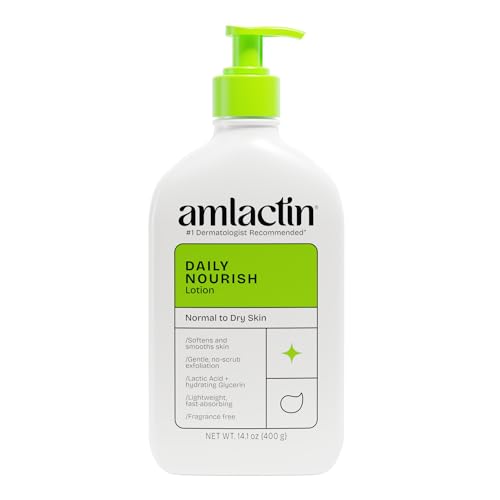
Managing dry skin effectively requires a comprehensive approach, focusing on daily skincare practices that emphasize hydration and nourishment. The selection of moisturizers plays a pivotal role in alleviating dryness. It is advisable to choose a moisturizer that contains ingredients such as hyaluronic acid, glycerin, and ceramides, which help retain moisture and restore the skin’s barrier. A thicker cream may be more beneficial during colder months, while a lighter lotion may suffice in warmer seasons.
Staying adequately hydrated is equally important, as internal hydration reflects on the skin’s appearance and health. Consuming an ample amount of water throughout the day supports skin elasticity and combatting dryness. Additionally, incorporating hydrating foods, such as fruits and vegetables, can provide the body with necessary nutrients that bolster skin vitality.
Seasonal changes often necessitate adjustments in skincare routines. During winter, for example, the dry, cold air can exacerbate skin conditions, making it crucial to intensify moisture application. Using humidifiers indoors can also supplement skin moisture levels by adding humidity to the air. In contrast, during humid seasons, lighter formulations may help prevent oiliness while still providing adequate hydration.
Natural remedies can also contribute significantly to effective dry skin care. Ingredients such as aloe vera, coconut oil, and shea butter are renowned for their skin-soothing properties. They provide gentle hydration and help to alleviate the discomfort often associated with dry skin. Incorporating such natural ingredients into weekly skincare routines, such as masks or overnight treatments, can significantly improve skin moisture levels.
Ultimately, a tailored skincare routine that addresses individual needs is essential in managing dry skin effectively. By being attentive to skincare products, maintaining hydration, adjusting routines seasonally, and utilizing natural remedies, individuals can significantly alleviate the symptoms of dryness and promote healthier, more resilient skin.





When to Seek Professional Help
While occasional dry skin can often be managed with over-the-counter moisturizers and home remedies, there are specific situations where it is crucial to seek professional help. Individuals should be vigilant for signs that may indicate dry skin is a symptom of a more serious underlying condition. Symptoms such as persistent dryness that fails to improve with standard treatments, severe itching, redness, or the development of cracks and sores are significant indicators that professional consultation is warranted. Furthermore, dry skin accompanied by other systemic symptoms—such as unexplained weight loss, fever, or fatigue—may suggest a more complex health issue that requires further investigation.
When consulting a healthcare provider or dermatologist, it is essential to arrive prepared with specific questions and details about one’s condition. Inquiries may include how long the symptoms have persisted, any potential triggers that have been identified, and whether there are any associated symptoms. Additionally, individuals should inquire about potential diagnostic tests that may be necessary to determine the underlying cause of their dry skin. Common tests may include blood work to evaluate immune function or skin biopsies to identify any dermatological conditions.
Treatment options will vary depending on the underlying cause of the dry skin. For some, it may include prescription-strength moisturizers or topical treatments, while others may require systemic medications if an autoimmune disorder or internal disease is diagnosed. Early intervention is often crucial in managing underlying conditions effectively, and seeking professional guidance can significantly improve both skin health and overall well-being.
Preventative Measures for Healthy Skin
Maintaining healthy skin is an essential aspect of overall well-being, particularly in preventing the onset of dry skin. One of the primary strategies is to adhere to a balanced diet that includes a variety of nutrients beneficial for skin health. Foods rich in essential fatty acids, such as omega-3s found in fish, nuts, and seeds, can significantly contribute to skin hydration. Additionally, incorporating antioxidants from fruits and vegetables into daily meals can protect the skin from oxidative stress that may lead to dryness.
Regular hydration is equally vital. It is recommended to consume an adequate amount of water throughout the day, as this supports skin elasticity and moisture retention. For those living in arid environments, using a humidifier can add moisture to the air, thus preventing skin from becoming excessively dry. Furthermore, selecting a suitable moisturizer that contains ingredients like hyaluronic acid and glycerin can enhance skin hydration levels.
Adjusting skincare routines seasonally is also crucial. During colder months, it is advisable to switch to more emollient-rich products that create a protective barrier on the skin. Conversely, lighter, gel-based moisturizers may be more suitable during hotter seasons. Additionally, utilizing sunscreen consistently can protect the skin from UV rays and environmental stressors that contribute to dryness.
Finally, reducing exposure to environmental irritants is essential for maintaining skin health. Wearing protective clothing during intense weather conditions, limiting hot showers, and avoiding harsh soaps can all alleviate the risk of developing dry skin. By implementing these proactive measures, individuals can enjoy healthier, more resilient skin while effectively mitigating the likelihood of dryness. In conclusion, a combination of a balanced diet, regular hydration, seasonal adjustments, and protection against environmental factors plays a critical role in ensuring skin health and vitality.