Understanding Pregnancy Acne and Melasma
Pregnancy is a unique period characterized by significant physiological changes, especially hormonal fluctuations that can substantially impact skin health. Two common skin concerns that many expectant mothers encounter are pregnancy acne and melasma. Both conditions can stem from the hormonal alterations induced during pregnancy, which can stimulate oil production and increase pigmentation in the skin.
Pregnancy acne, much like typical acne, appears as pimples, cysts, or oily skin. As estrogen and progesterone levels rise, the sebaceous glands can become more active, leading to an increased production of sebum. This can clog pores and lead to breakouts, a particularly distressing issue for women who may have had clear skin before pregnancy. Furthermore, the stress of impending motherhood and lifestyle changes can exacerbate acne, highlighting the need for effective, safe treatments.
On the other hand, melasma, often referred to as the “mask of pregnancy,” is characterized by brown or grayish-brown patches on the face, primarily affecting the cheeks, forehead, and upper lip. The increased levels of estrogen and progesterone can trigger the overproduction of melanin, a pigment responsible for skin color. Sun exposure can further darken these patches, making melasma a difficult condition for many women to manage as they navigate through pregnancy.
Addressing these skin issues during pregnancy is crucial, as it has potential implications for self-esteem and overall well-being. However, safety is paramount. Pregnant women should be cautious about using any skincare products and consult healthcare providers to find solutions that minimize risks to both mother and baby. This approach ensures that effective treatments are both safe and supportive for their unique skin health needs.
Why Skin Care During Pregnancy is Critical
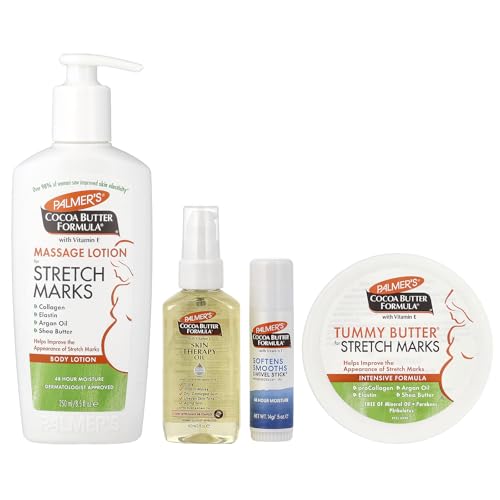
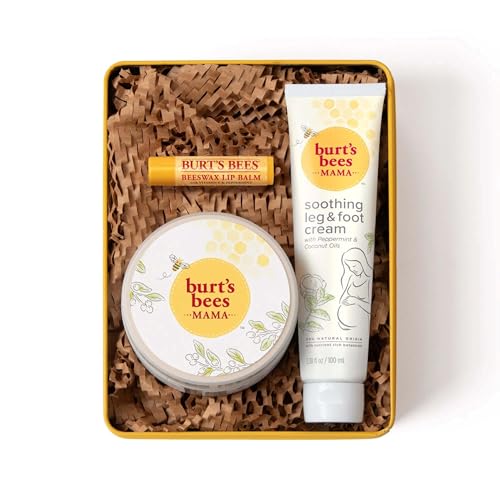
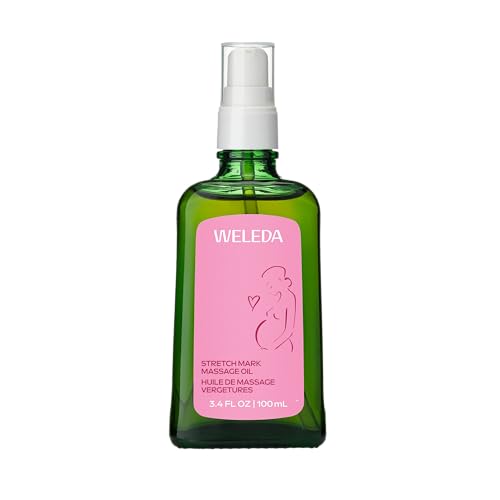
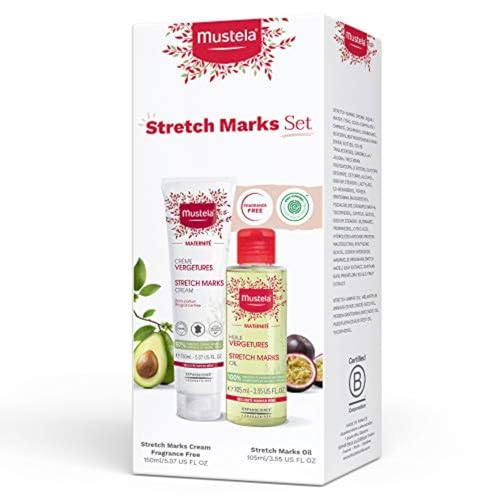
- Massage Lotion for Stretch Marks, which can be used in place of your regular moisturizer, is an all-over body lotion tha…
- Tummy Butter for Stretch Marks, which is best used at nighttime or whenever your skin needs more thorough care, is an in…
- Skin Therapy Oil is a lightweight, non-greasy, skin perfecting oil that helps improve the appearance of scars, stretch m…
Pregnancy brings with it a myriad of physiological changes, one of the most prominent being its impact on the skin. Hormonal fluctuations can lead to various issues such as acne and melasma, which can cause significant distress to expectant mothers. The hormonal surge, particularly the increase in estrogen and progesterone, can stimulate the oil glands, resulting in breakouts. Moreover, these hormonal changes can also affect pigmentation, leading to conditions like melasma—often referred to as the “mask of pregnancy.” Given these alterations, establishing a proper skin care routine becomes vital during this period.
The importance of a good skin care regimen extends beyond mere aesthetics. Skin is the body’s largest organ, acting as a protective barrier against environmental toxins and pathogens. During pregnancy, the skin’s barrier may become compromised, making it essential to utilize products that reinforce its integrity. Using skin care products specifically formulated for pregnant women is advisable, as many common ingredients can pose risks to fetal development. Certain chemicals found in traditional skin care products, such as retinoids, salicylic acid, and hydroquinone, may be harmful and should be avoided. Therefore, prioritizing dermatologist-recommended skin care products is crucial for ensuring the overall safety of both the mother and the developing fetus.
In addition to safety considerations, choosing appropriate skin care products can help alleviate discomforts commonly experienced during pregnancy. For instance, gentle cleansers and moisturizers can relieve dryness or irritation, while targeted treatments for acne and pigmentation can combat these specific conditions without compromising safety. Ultimately, understanding how pregnancy affects the skin is paramount, and adopting a thoughtful approach to skincare can lead to healthier skin and a more pleasant pregnancy experience.
Consulting Your Dermatologist: Key Considerations
When navigating the intricate world of skin care during pregnancy, it becomes imperative for expectant mothers to consult with a qualified dermatologist. Pregnancy brings about significant hormonal changes that can affect the skin, leading to conditions such as pregnancy acne and melasma. Thus, understanding individual skin types and conditions is crucial for tailoring an effective skin care regimen. A knowledgeable dermatologist can provide personalized advice, ensuring that the products chosen are both effective and safe for both the mother and the unborn child.
Before making any decisions regarding skin care products, it is beneficial for pregnant women to prepare a list of pertinent questions to discuss with their dermatologist. Key inquiries might include understanding which specific ingredients are safe for use, how certain products might interact with pregnancy-related hormonal changes, and what additional precautions might be necessary. Safety is paramount; hence, knowing whether products contain potentially harmful substances like retinoids, certain acids, or chemical sunscreens is essential.
Additionally, considering a woman’s unique skin type is integral. For instance, some individuals may have oily skin that is prone to breakouts, while others may experience dryness or sensitivity. A dermatologist can recommend skin care products that cater to these specific conditions, ensuring that the chosen items are effective in combating issues like pregnancy acne while avoiding adverse reactions. Furthermore, dermatologists are equipped to evaluate the efficacy of alternative treatments, such as natural or organic products, which might align with a cautious approach towards skin care during pregnancy.
Ultimately, establishing an open line of communication with a dermatologist can greatly enhance the skin care journey during pregnancy, ensuring safe and effective management of changing skin needs.
The Role of Gentle Cleansers in Managing Acne and Melasma
During pregnancy, hormonal fluctuations can lead to various skin issues, including acne and melasma. It is crucial for expecting mothers to adopt a skincare routine that effectively addresses these conditions while ensuring safety for both the mother and the developing fetus. One essential component of such a routine is using gentle cleansers, particularly those recommended by dermatologists.
Gentle cleansers are formulated to remove dirt, excess oil, and impurities without compromising the skin’s natural barrier. Unlike harsh cleansers, they do not strip the skin of its essential oils, which can exacerbate dehydration and irritation. This is particularly important during pregnancy, as the skin can become more sensitive due to hormonal changes. Many dermatologists recommend cleansers that contain mild surfactants derived from natural sources, designed to maintain skin hydration and soothe any irritation.
Several dermatologist-recommended gentle cleansers are suitable for pregnant women. Products containing ingredients like glycerin or aloe vera not only cleanse but also provide hydration, promoting a balanced skin environment. Brands that leverage botanical extracts, such as chamomile or calendula, can further enhance the calming effect, making them ideal for women struggling with pregnancy acne or melasma.
Moreover, foam-based or cream-based gentle cleansers can effectively clean the skin without the risk of over-drying. When integrated into a daily skincare routine, these products help minimize the formation of new blemishes while simultaneously addressing existing pigmentation issues. Regular use of a gentle cleanser can aid in preventing breakouts and promoting clearer, healthier skin throughout pregnancy.
In conclusion, incorporating gentle cleansers into the skincare regimen of pregnant women is vital for managing acne and melasma. Their ability to cleanse without irritation ensures that mothers can care for their skin effectively while safeguarding their health during this sensitive period.
Hydration is Key: Top Moisturizers Safe for Expecting Mothers

- Pregnancy Essentials: Help improve the appearance of scars and stretch marks during and after your pregnancy with this m…
- Pre-Natal and Post-Natal Skin Care for Stretch Marks and Scars: Made with Cocoa Butter to soften and smooth skin, Vitami…
- Finest Ingredients: We use only the finest natural, raw ingredients for soft, hydrated and beautiful hair & skin. We sup…
Skin hydration plays a crucial role in maintaining skin health, particularly during pregnancy when hormonal fluctuations can lead to conditions such as acne and melasma. Choosing the right moisturizer not only enhances the overall skin texture but also provides a protective barrier against potential irritants and environmental stressors. For expecting mothers, it is essential to opt for dermatologist-approved products that ensure both safety and efficacy.
When selecting moisturizers safe for pregnancy, it is vital to look for ingredients that are renowned for their hydrating properties without posing risks to the developing fetus. For example, hyaluronic acid is a standout component, known for its ability to retain moisture and plump the skin. Another beneficial ingredient is glycerin, which helps to attract water to the skin’s surface, offering long-lasting hydration. These components can aid in combatting dryness and improving skin elasticity, which can be particularly beneficial as the skin stretches during pregnancy.
Additionally, expectant mothers should consider products that are free from synthetic fragrances, parabens, and sulfates, as these ingredients can irritate sensitive skin and potentially lead to adverse effects. Instead, look for moisturizers that utilize natural oils such as jojoba oil or almond oil, as they are gentle on the skin and help to lock in moisture effectively. Aloe vera is another excellent choice, known for its soothing properties and ability to hydrate without clogging pores, making it ideal for tackling pregnancy-related skin issues.
In summary, focusing on hydration through the use of dermatologist-recommended moisturizers can significantly improve the skin’s condition during pregnancy. By selecting products with safe and effective ingredients, expecting mothers can ensure that their skincare routine supports their skin’s unique needs, helping to mitigate the effects of acne and melasma associated with this transformative period. Careful attention to moisturizer selection can empower women to embrace their changing bodies with confidence.
Spot Treatments: Effective Yet Safe Solutions for Acne

- Targeted 3-in-1 Acne Cleansing Paste- a cleanser, spot treatment, and face mask all in one.
- Formulated with charcoal & salicylic acid to help reduce & prevent acne without drying out skin.
- Formulated with medicated 2% Salicylic Acid to treat and prevent future acne.
Managing acne during pregnancy can be particularly challenging due to hormonal fluctuations and concerns over using certain ingredients safe for both the mother and the developing baby. Spot treatments specifically formulated for this stage can help alleviate issues effectively while adhering to safety guidelines. Dermatologists recommend several products that utilize gentle yet effective formulations targeting specific blemishes without posing risks.
One highly regarded ingredient found in safe spot treatments is benzoyl peroxide. This compound works by reducing the bacteria that cause acne and comes in various strengths. Pregnant women can use lower concentrations, typically 2.5% to 5%, to minimize irritation while tackling outbreaks. Another effective ingredient is salicylic acid, which is known for its exfoliating properties. However, dermatologists often recommend using it in an amended form, such as in a gel or cream with a concentration around 2%, to ensure safety during pregnancy.
Additionally, natural alternatives are increasingly favorable among expectant mothers. Tea tree oil is known for its antibacterial and anti-inflammatory properties, making it a popular choice. It is essential to choose a product that combines tea tree oil with other supportive ingredients like aloe vera or witch hazel to comfort the skin further and reduce irritation. Always patch test products before full application, as skin sensitivity can change during pregnancy.
Incorporating these spot treatments into your daily skincare routine can be beneficial. Use them sparingly, applying directly where needed. It is best to integrate spot treatments at night for optimal absorption, followed by a gentle moisturizer to keep the skin hydrated. Consulting with a dermatologist for personalized recommendations tailored to your individual skin type is prudent, ensuring safe and effective management of pregnancy acne.
Sunscreen: Protecting Your Skin From Melasma
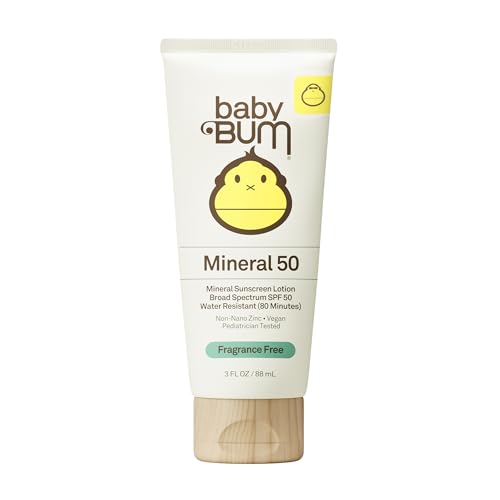
- BABY BUM SPF 50 SUNSCREEN LOTION. Our convenient, travel sized sunscreen is gentle mineral-active based protection for y…
- GENTLE, PLANT-BASED SKIN CARE. Our plant-based formula contains natural zinc oxide, coconut oil, shea butter and cocoa b…
- HOW TO USE. Dispense into hands and apply directly to skin, covering all areas, and rub in until absorbed. Apply 15 minu…
Melasma is a common skin condition characterized by dark, discolored patches, often exacerbated by sun exposure. For pregnant women, hormonal changes can intensify the risk of developing melasma, making sun protection an essential aspect of any skincare routine. Using sunscreen specifically formulated for pregnant women is vital in mitigating the adverse effects of ultraviolet (UV) rays, which can worsen pigmentation issues.
When choosing a sunscreen, opt for broad-spectrum formulas that provide protection against both UVA and UVB rays. These reflective barriers not only shield the skin from harmful rays but also help prevent the development of melasma and other pigmentation disorders. Dermatologists often recommend selecting physical (mineral) sunscreens containing titanium dioxide or zinc oxide. These ingredients are safe for pregnant women as they sit atop the skin, deflecting UV rays without being absorbed into the bloodstream.
It is essential to apply sunscreen generously on all exposed areas of skin, even on cloudy days or indoors, as UV rays can penetrate glass. Regular reapplication, especially after swimming or sweating, is crucial to ensure effective protection. For optimal results, consider using a sunscreen with an SPF of 30 or higher, along with additional protective measures such as wearing hats and seeking shade during peak sunlight hours.
Moreover, some women may experience sensitivities during pregnancy, making it important to choose gentle, fragrance-free formulations to avoid reactions that could further irritate the skin. By adhering to a consistent sunscreen routine, pregnant women can significantly lower their chances of developing melasma, maintaining both skin health and appearance.
Serums with Pregnancy-Safe Ingredients for Brighter Skin
During pregnancy, women may experience various skin concerns, such as melasma and acne. Fortunately, there are numerous serums containing safe and effective ingredients recommended by dermatologists that can help address these issues while ensuring the well-being of both the mother and the developing baby. These serums often incorporate a range of antioxidants, vitamins, and natural components that are both pregnancy-friendly and beneficial for overall skin health.
One essential ingredient to look for in pregnancy-safe serums is Vitamin C, known for its powerful antioxidant properties. Vitamin C can help fade hyperpigmentation associated with melasma, promoting a more even skin tone. Additionally, it boosts collagen production, enhancing skin elasticity and radiance. Serums formulated with stabilized Vitamin C derivatives, such as ascorbic acid or magnesium ascorbyl phosphate, are ideal options for pregnant women.
Another valuable ingredient is niacinamide, a form of Vitamin B3. Niacinamide is recognized for its ability to minimize the appearance of enlarged pores, improve skin texture, and reduce redness. Moreover, it aids in skin barrier function, which is particularly important during pregnancy when hormonal changes may lead to increased sensitivity. Look for serums that contain niacinamide concentrations between 2-5% for optimal effects.
Hyaluronic acid is also a key ingredient in many hydrating serums. Known for its ability to retain moisture, hyaluronic acid helps combat dryness and gives the skin a plumper appearance. For those dealing with acne, products containing salicylic acid in low concentrations may be beneficial, although consulting with a dermatologist is crucial to ensure its safety during pregnancy.
Finally, natural extracts like licorice root and green tea are recognized for their anti-inflammatory and anti-oxidative properties. These ingredients can soothe irritation and promote an even skin tone. When selecting a serum, it is essential to choose formulations that are free from harsh chemicals and fragrances. This consideration enhances skin health, ensuring that the skin remains glowing and vibrant throughout the pregnancy journey.
Conclusion: Embracing Your Skin Journey During Pregnancy
Pregnancy is a transformative period that often brings significant changes to a woman’s skin. With hormonal fluctuations, many women experience skin conditions such as pregnancy acne and melasma. While these changes can be unsettling, it is essential to embrace them as a normal part of the journey. A proactive approach to skin care can help manage these issues effectively and safely during this unique time.
Utilizing dermatologist-recommended skin care products ensures that you are making informed choices tailored to the specific needs of your skin during pregnancy. These products are designed to be both effective and safe, addressing common concerns while prioritizing the health of both the mother and the developing child. Consulting with a dermatologist can further enhance your skincare routine, as they can provide personalized guidance on suitable treatments based on your skin type and concerns.
Remember that every pregnancy experience varies, and what works for one individual may not work for another. Therefore, maintaining open communication with your healthcare provider is critical. They can clarify any doubts regarding the safety of various skin care ingredients and products, ensuring you feel confident in your decisions. Moreover, embracing skin changes can foster a positive self-image and contribute to overall well-being during pregnancy.
As you navigate your skin’s journey, be kind to yourself and take advantage of the resources available to maintain healthy, glowing skin. By prioritizing your skin care and focusing on recommended treatments, you can address pregnancy-related issues with reassurance, allowing you to enjoy this remarkable phase of life while celebrating your body’s changes.