What is Ringworm?
Ringworm, medically known as tinea, is a common fungal infection primarily affecting the skin. Contrary to what its name implies, ringworm is not caused by a worm but rather by a dermatophyte, which is a type of fungus that thrives on keratin found in hair, skin, and nails. This infection can take on various forms depending on the area of the body it affects, including tinea corporis (body), tinea pedis (athlete’s foot), tinea cruris (jock itch), and others. Ringworm can occur in individuals of all ages, but it is particularly prevalent among children and those with compromised immune systems.
The symptoms of ringworm typically include a distinctive circular rash characterized by raised edges and a clear center, often resembling a “ring.” Additionally, affected individuals may experience significant itching, redness, and, in some cases, scaling or flaking of the skin. These symptoms can vary in intensity and may lead to discomfort or secondary infections if left untreated.
Transmission of ringworm occurs through direct skin-to-skin contact with an infected person or by sharing contaminated items such as towels, clothing, or sports equipment. Furthermore, ringworm can spread indirectly via contact with infected animals or surfaces such as locker rooms, swimming pools, and communal showers. The highly contagious nature of this infection necessitates prompt attention to hygiene practices and treatment options to prevent further spread.
In summary, ringworm is a common fungal skin infection caused by dermatophytes, presenting with characteristic rashes and symptoms, and easily transmissible through various avenues. Understanding the causes, symptoms, and transmission methods of ringworm is essential for effective prevention and management.
Identifying Ringworm: Symptoms and Diagnosis
Ringworm, a common fungal infection caused by dermatophytes, presents distinct symptoms that can vary depending on the affected area of the body. Recognizing these symptoms is crucial in ensuring timely diagnosis and treatment. Typically, ringworm manifests as a circular, red, scaly rash with a raised border, which may appear on various parts of the body including the scalp, feet, and groin.
On the scalp, known as tinea capitis, ringworm can cause hair loss and may lead to patchy areas where hair has broken off. The scalp may exhibit redness and scaling, resembling a severe dandruff condition. In the case of athlete’s foot, or tinea pedis, the skin between the toes becomes itchy and flaky, sometimes accompanied by blisters. Additionally, groin infections, referred to as tinea cruris, may result in an itchy, red rash in the inner thighs, resembling conditions such as jock itch.
The importance of a proper diagnosis cannot be overstated. While ringworm may closely resemble other skin conditions like eczema or psoriasis, distinguishing between them is vital for effective treatment. A healthcare professional can conduct a physical examination and may also perform diagnostic tests, such as a potassium hydroxide (KOH) examination, where skin scrapings are evaluated under a microscope.
If you suspect you have ringworm, it is advisable to consult a healthcare provider, especially if the symptoms persist or worsen. Early intervention not only alleviates discomfort but also prevents the infection from spreading to others. By being informed about the symptoms and understanding the need for accurate diagnosis, individuals can more effectively address ringworm and maintain overall skin health.
Treatment Options for Ringworm
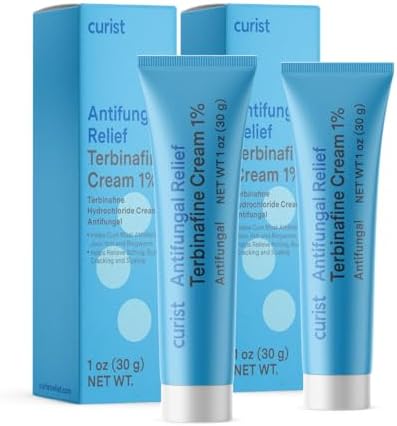
Ringworm, a common fungal infection caused by dermatophytes, requires prompt and effective treatment to prevent its spread and alleviate symptoms. The treatment options for ringworm primarily include over-the-counter antifungal creams, prescription medications, and natural remedies. Antifungal creams, such as clotrimazole or terbinafine, are available without a prescription and are generally effective for mild cases. These topical solutions must be applied consistently as directed, usually for a minimum of two weeks, even if the symptoms subside earlier. This adherence is crucial to ensure the complete eradication of the fungus.
In more severe or persistent cases of ringworm, a healthcare professional may prescribe oral antifungal medications, such as fluconazole or griseofulvin. These systemic treatments are effective in addressing deeper infections or widespread cases, but they come with potential side effects. Therefore, it is essential to follow the healthcare provider’s instructions meticulously throughout the course of treatment.
For individuals seeking alternative options, various natural remedies may be considered. Tea tree oil, for instance, possesses antifungal properties and can be applied topically to affected areas. Other remedies that some people explore include coconut oil, garlic, and apple cider vinegar. However, while anecdotal evidence supports their efficacy, scientific studies on their effectiveness for treating ringworm remain limited. As such, natural remedies should not replace conventional treatments but might be used in conjunction following consultation with a healthcare professional.
During treatment, it is vital to take practical steps to prevent the infection from spreading. This includes keeping affected areas clean and dry, avoiding tight clothing, and refraining from sharing personal items such as towels or clothing. Additionally, it is advisable to launder items that may have come into contact with the infected skin to reduce the risk of reinfection. By adhering to these practices and the chosen treatment plan, individuals can effectively manage ringworm and promote a faster recovery.
Prevention and Care Strategies for Ringworm
Preventing and managing ringworm requires a multifaceted approach centered on good hygiene and awareness of risk factors. First and foremost, maintaining proper hygiene is critical in minimizing the risk of contracting this common fungal infection. Regular handwashing, particularly after handling pets or being in crowded areas, can significantly reduce the chances of infection. Additionally, individuals should ensure to keep their skin dry, as fungi thrive in moist environments. This means drying thoroughly after showers and workouts, especially in areas like the groin and between the toes.
Sharing personal items such as towels, clothing, or athletic gear can facilitate the spread of ringworm, so it is advisable to avoid doing so. Items like hairbrushes or gym equipment should be used with caution, and users should consider sanitizing surfaces and objects regularly, particularly in communal environments such as gyms and swimming pools. Wearing footwear in communal showers and changing rooms can serve as a barrier against the fungus.
During and after treatment, caring for the affected skin is paramount to prevent recurrence. Adhering to prescribed antifungal treatments is essential, and individuals should avoid scratching the rash, which can worsen the infection or lead to secondary bacterial infections. Once the treatment is complete, it is recommended to continue practicing good hygiene and to watch for any signs of reinfection.
Furthermore, educating oneself and others about ringworm is crucial for prevention strategies. Awareness fosters better personal health practices and can alert those around you when they may have come into contact with the infection. By implementing these prevention and care strategies, individuals can safeguard against the contraction and spread of ringworm effectively.