Understanding Loose Skin: Causes and Factors
Loose skin after weight loss is a common concern that can significantly affect an individual’s self-esteem. To understand this phenomenon, it is important to explore the biological and physiological factors that contribute to skin elasticity. The skin is primarily composed of proteins known as collagen and elastin, which play crucial roles in maintaining skin firmness and structure. Collagen is a structural protein that provides strength, while elastin allows the skin to stretch and recoil. During significant weight loss, the rapid reduction in body mass can outpace the skin’s ability to adapt to the new contours, resulting in loose skin.
Another critical factor to consider is the rate at which weight loss occurs. Weight lost too rapidly can lead to a diminished capacity for the skin to retract accordingly. For example, a consistent and gradual weight loss approach tends to provide the skin with the necessary time to adjust, allowing for better retention of elasticity. Conversely, extreme diets or surgical interventions that lead to quick weight loss can exacerbate the issue of loose skin.
Individual characteristics also play a significant role in how skin responds to weight changes. Age is a primary determinant, as skin naturally loses collagen and elastin as one ages, decreasing its ability to regain tightness. Additionally, genetics influence skin condition; some individuals may naturally possess more resilient skin than others. Overall skin health, which can be affected by hydration, nutrition, and lifestyle choices, is another contributing factor. Maintaining optimal skin health can therefore enhance its elasticity, potentially mitigating the effects of loose skin after weight loss.
By comprehensively understanding the causes and factors behind loose skin, individuals can develop more effective strategies to address this issue.
Diet and Nutrition: How to Support Skin Elasticity
A balanced diet plays a crucial role in promoting skin health, particularly after weight loss when the skin may require additional support to retain its elasticity. Essential nutrients are vital in maintaining the firmness and resilience of the skin. Key vitamins and minerals such as Vitamin C, Vitamin E, and zinc contribute significantly to collagen production and skin repair, which are critical for counteracting the effects of loose skin.
Vitamin C, for instance, is not only an antioxidant but also aids in collagen synthesis, which is essential for skin elasticity. Foods rich in Vitamin C, such as oranges, strawberries, and bell peppers, should be incorporated into daily meals to ensure adequate intake. On the other hand, Vitamin E is known for its skin-protecting qualities, helping reduce oxidative stress on the skin. Nuts, seeds, and green leafy vegetables are excellent sources of Vitamin E that can be easily included in a balanced diet.
Zinc also plays a significant role in skin health by facilitating the healing process. It can be found in foods like legumes, whole grains, and lean meats, making it essential for anyone looking to improve their skin’s appearance post-weight loss. Furthermore, healthy fats found in avocados, olive oil, and fatty fish contribute to skin elasticity by providing the necessary lipids that keep the skin hydrated and supple.
Hydration is another crucial factor that directly impacts skin elasticity. Drinking an adequate amount of water daily can significantly enhance skin appearance and prevent it from becoming saggy. Including hydrating foods such as cucumbers, watermelon, and oranges can boost overall hydration levels. By prioritizing a nutrient-rich diet and proper hydration, individuals can better support their skin’s elasticity, minimizing the risk of loose skin after weight loss.
Exercise and Strength Training: Building Muscle to Fill the Gap
Physical activity plays an essential role in overall health and can significantly influence the appearance of the skin after weight loss. To minimize loose skin, incorporating strength training into a fitness regimen is highly beneficial. Strength training is an exercise form focused on building muscle mass through resistance and weight lifting, which can help tighten and tone the skin. When muscles grow, they fill out the skin more effectively, resulting in a firmer appearance.
Effective workout routines for muscle growth should include a variety of exercises targeting major muscle groups. Compound movements, such as squats, deadlifts, bench presses, and rows, engage multiple muscles simultaneously, leading to greater strength and mass gains. Additionally, integrating isolation exercises like bicep curls and tricep extensions can enhance muscle definition. It is recommended to perform strength training at least two to three times per week, allowing for adequate recovery between sessions.
To optimize muscle building, focusing on progressive overload is crucial. This approach involves gradually increasing the weight, frequency, or intensity of workouts. For those new to strength training, starting with lighter weights and emphasizing proper form is vital to prevent injury. Additionally, incorporating a mix of both free weights and resistance machines can diversify workouts and stimulate muscle growth effectively.
Aside from the physical aspects, creating a sustainable fitness regimen is important for long-term results. Setting achievable goals, tracking progress, and varying workouts can keep motivation high. Pairing strength training with cardiovascular exercises, such as brisk walking or cycling, can enhance overall fitness, promoting a healthy body composition and supporting skin elasticity. By prioritizing exercise and strength training, individuals can significantly reduce the likelihood of loose skin following substantial weight loss.
Professional Treatments and Home Remedies: Exploring Options
Addressing loose skin after significant weight loss can be a daunting challenge, but there are numerous professional treatments and home remedies available to help improve skin elasticity. Each option varies in effectiveness, cost, and the expected outcomes. Understanding these can empower individuals to choose the best solution for their needs.
Professional treatments such as laser therapy, radiofrequency treatments, and surgical interventions are effective ways to combat loose skin. Laser therapy uses concentrated light beams to promote collagen production, ultimately tightening the skin. This non-invasive procedure typically requires multiple sessions, with costs ranging from $1,000 to $3,000, depending on the treatment area and provider. Results can be seen gradually, promoting skin firmness over time.
Radiofrequency treatments are another popular choice for tightening loose skin. This method utilizes heat to stimulate collagen and elastin production beneath the skin’s surface. Similar to laser therapy, results may take a few sessions to become noticeable, and the price ranges from $500 to $2,000. However, the long-lasting effects often justify the investment for many individuals.
For those seeking more immediate results, surgical options, such as a tummy tuck or body lift, provide more drastic solutions by removing excess skin and tightening the remaining tissues. While these procedures can yield significant benefits, they also come with higher costs, typically ranging from $4,000 to $15,000, along with the accompanying risks of surgery and recovery time.
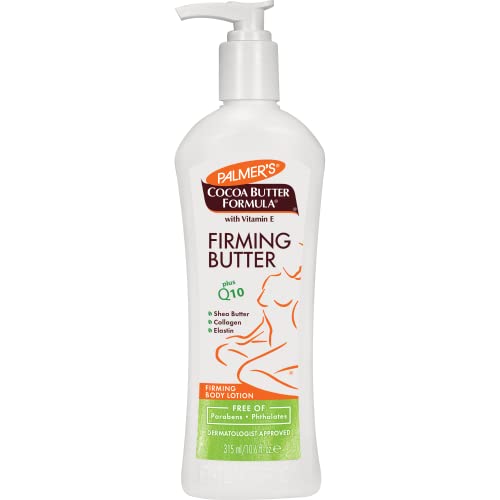
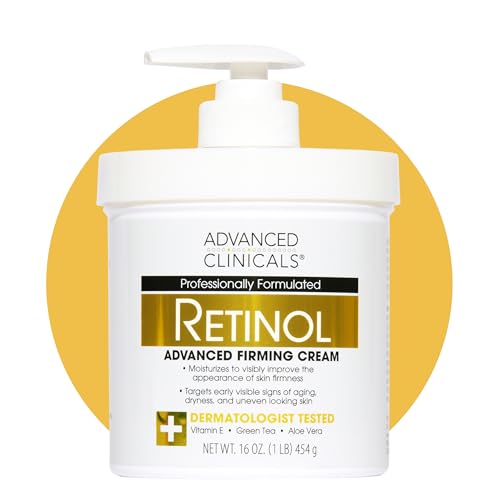
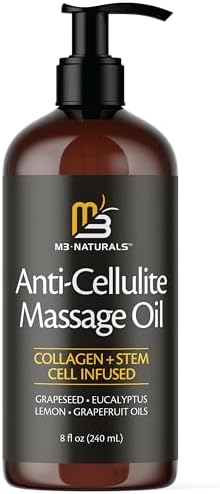
In addition to professional treatments, home remedies should not be overlooked. Topical creams designed to improve skin elasticity, alongside natural ingredients like aloe vera, coconut oil, and vitamin E, can provide supportive care. While these remedies may not deliver results as quickly as professional options, they can still contribute positively to skin health.
Ultimately, individuals considering how to manage loose skin after weight loss should weigh the benefits and costs of each treatment and remedy. Consulting with a qualified professional can guide individuals toward the most suitable option, ensuring that the chosen approach aligns with personal health goals and expectations.