Understanding Teenage Acne
Teenage acne is a common and often distressing condition that affects many adolescents during puberty. This skin issue typically arises due to a combination of hormonal changes, increased oil production, and various external and internal factors. During puberty, the body experiences a surge in hormones, particularly androgens, which stimulate the sebaceous glands in the skin. This leads to the overproduction of sebum, the natural oil that keeps our skin moisturized. However, excessive sebum can clog pores and create the perfect environment for acne-causing bacteria to thrive.
There are several types of acne that commonly appear during the teenage years. The most prevalent form is known as acne vulgaris, which includes whiteheads, blackheads, papules, pustules, nodules, and cysts. Whiteheads and blackheads are considered non-inflammatory acne, while papules, pustules, nodules, and cysts are forms of inflammatory acne. Understanding these types is essential for determining the most effective treatment strategies.
In addition to hormonal fluctuations and oil production, other factors can exacerbate teenage acne. Diet has been implicated in the development of acne, with some studies suggesting that high-glycemic-index foods, dairy products, and excess sugars can trigger breakouts. Furthermore, stress plays a significant role in acne formation; heightened stress can lead to an increase in cortisol, a hormone that may further stimulate oil production and inflammation in the skin.
Recognizing the various causes and types of teenage acne is crucial for managing this skin condition effectively. By understanding the origins of acne, teenagers can adopt appropriate skincare routines and make informed lifestyle choices that aid in minimizing breakouts and promoting overall skin health.
Essential Skin Care Routine for Teens
A proper skin care routine is crucial for teenagers experiencing acne, as it helps manage breakouts and promotes overall skin health. A systematic approach involving cleansing, exfoliating, moisturizing, and sun protection can significantly improve the appearance of acne-prone skin. Each step plays a vital role in this routine, ensuring that the skin remains balanced and less susceptible to breakouts.
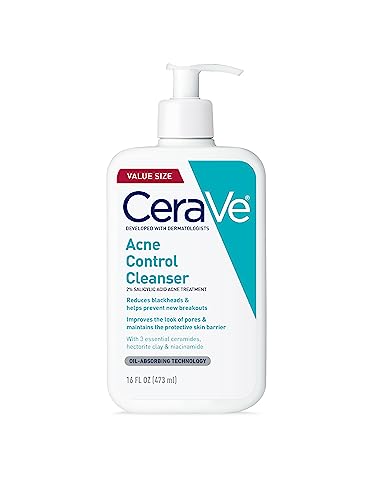
The first step in any effective skin care routine is cleansing. This process removes dirt, oil, and makeup that can clog pores and contribute to acne. It is advisable for teens to use a gentle, sulfate-free cleanser, ideally one that contains salicylic acid or benzoyl peroxide, which are both known for their acne-fighting properties. Cleansing should be performed twice daily, in the morning and evening, to maintain clean skin.
Exfoliating is the next essential step, helping to remove dead skin cells that can lead to clogged pores. For teenagers, a light chemical exfoliant containing alpha-hydroxy or beta-hydroxy acids is recommended, as these ingredients effectively cleanse without being overly abrasive. Exfoliating should only be done a few times a week to avoid irritation, making it an integral part of a balanced skin care routine.
Moisturizing is often overlooked, yet it is vital for both oily and dry skin types. Using a lightweight, non-comedogenic moisturizer ensures the skin remains hydrated while preventing excessive oil production. Teens should consider products containing hyaluronic acid or glycerin, which help retain moisture without clogging pores.
Lastly, sun protection is crucial in any skin care routine, especially for acne-prone skin. It is essential to apply a broad-spectrum sunscreen with an SPF of at least 30 every morning, even on cloudy days. Many products tailored for acne-prone skin include sun protection in their formulations, which can simplify the process for teenagers.
Implementing these essential steps into a daily routine will help teens manage their acne effectively while promoting healthier, clearer skin.
Choosing the Right Cleansers
When it comes to managing teenage acne, selecting the right cleanser plays a crucial role in establishing an effective skincare routine. With a multitude of options available, understanding the features of different types of cleansers—such as foaming, gel, and cream formulations—can aid in making an informed choice tailored to individual skin needs.
Foaming cleansers are often favored for their light textures and ability to create a rich lather. These products effectively remove excess oil and impurities, making them suitable for oily skin types. However, they should be chosen carefully, as some foaming cleansers may contain harsh ingredients that could irritate the skin or exacerbate acne. In contrast, gel cleansers are known for their deep-cleaning properties and often contain antibacterial agents that can help combat breakouts. They are typically lightweight and suitable for oily to combination skin.
Cream cleansers, on the other hand, are generally formulated to hydrate while cleansing. These products are particularly beneficial for individuals with dry or sensitive skin, as they are less likely to strip natural oils. A mild cream cleanser can effectively cleanse while ensuring that the skin remains moisturized, helping to avoid the dryness that can worsen acne.
Regardless of the type, it is essential to prioritize non-comedogenic products when choosing cleansers. Non-comedogenic cleansers are specifically designed not to clog pores, reducing the likelihood of further breakouts. Additionally, those with active acne should consider cleansers containing ingredients such as salicylic acid or benzoyl peroxide, as they can provide targeted treatment within the cleansing process. Therefore, assessing one’s skin type and acne severity is crucial in ensuring that the selected cleanser supports the overall skincare routine effectively.
The Role of Exfoliation
Exfoliation is an essential aspect of any skincare regimen, particularly for teenagers struggling with acne. The process involves the removal of dead skin cells from the surface of the skin, which helps to prevent clogged pores that can lead to breakouts. There are two primary types of exfoliants: physical and chemical.
Physical exfoliants consist of granular substances, such as scrubs or brushes, which manually buff away dead skin. While these can be effective, they may also irritate sensitive skin, leading to inflammation. On the other hand, chemical exfoliants utilize active ingredients to loosen the bonds between dead skin cells, allowing them to be shed naturally. This method tends to be gentler on the skin, making it a popular choice among dermatologists.
Among the most effective chemical exfoliants for teenage acne are those containing salicylic acid and glycolic acid. Salicylic acid, a beta-hydroxy acid (BHA), penetrates deep into the pores to dissolve oil and dead skin, effectively reducing the formation of acne. Glycolic acid, an alpha-hydroxy acid (AHA), helps to resurface the skin and improve overall texture, which is crucial for treating post-acne marks. Integrating products with these ingredients into a skincare routine can lead to significant improvements in acne management.
As for how often teenagers should exfoliate, it typically depends on their skin type and the product being used. Generally, it is advisable to exfoliate 1-3 times per week to balance effective treatment with skin sensitivity. Over-exfoliation can cause irritation and worsen acne, so it is vital to listen to the skin’s needs and adjust accordingly. By understanding the role of exfoliation and choosing the right products, teenagers can significantly improve their skin health and combat acne effectively.
Moisturizing and Hydration
Moisturizing is an essential component of any skincare regimen, especially for individuals with oily and acne-prone skin. Contrary to popular belief, applying moisturizer does not exacerbate oiliness; rather, it plays a critical role in maintaining a balanced complexion. When the skin is well-hydrated, it can prevent the overproduction of sebum, which often leads to clogged pores and subsequent breakouts. Therefore, selecting the appropriate lightweight and non-comedogenic moisturizer becomes paramount for teenagers battling acne.
When choosing a moisturizer, it is vital to look for products that are designed specifically for oily or combination skin types. These formulations typically contain ingredients that help hydrate without adding excess oil. Components such as glycerin, hyaluronic acid, and aloe vera are excellent choices as they provide moisture while remaining non-greasy. Additionally, a moisturizer that includes salicylic acid can offer added benefits, as this ingredient is known for its acne-fighting properties.
- Amazon One Medical Pay per visit (PPV) telehealth telemedicine video, message. Membership option available. Previously C…
- Treated by online doctor DR MD nurse practitioner NP physician’s assistant PA. FSA/HSA reimburse for PPV
- Treatment for adult human men women man woman para hombre mujer
Hydration also extends beyond topical products. Drinking an adequate amount of water daily is equally important to help maintain skin health. Hydrated skin appears plumper and more resilient, ultimately reducing the chances of acne flare-ups. Moreover, incorporating water-rich foods such as fruits and vegetables into the diet can enhance internal hydration. By prioritizing both external moisture through proper skincare products and internal hydration via nutrition, teenagers can foster an environment conducive to clear skin.
In conclusion, emphasizing the significance of moisturizing and hydration in the skincare routine can significantly aid in the management of acne. By carefully selecting non-comedogenic products and ensuring sufficient water intake, it is possible to strike a healthy balance, thus promoting a clearer, more youthful complexion.
Spot Treatment Solutions
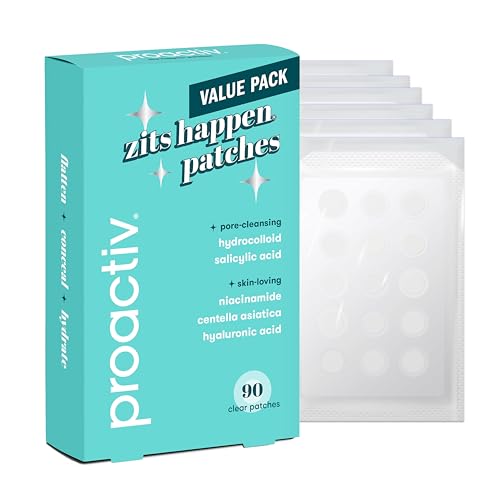
Spot treatments are a commonly recommended approach for tackling specific acne lesions, particularly for teenagers experiencing breakouts. These treatments are formulated to deliver potent ingredients directly onto the acne spots, allowing for concentrated action against pimples. Key ingredients often found in these solutions include benzoyl peroxide, sulfur, and salicylic acid, each contributing uniquely to the process of acne management.
Benzoyl peroxide is widely used for its antibacterial properties. It works by reducing the number of acne-causing bacteria on the skin’s surface and helps in unclogging pores. For optimal results, it is advisable to apply a small amount of benzoyl peroxide directly onto the pimple once or twice daily, gradually increasing usage based on skin tolerance. Users should start with a lower concentration (typically 2.5% to 5%) to minimize the risk of irritation.
Another effective spot treatment ingredient is sulfur, which is celebrated for its ability to absorb excess oil and promote dead skin cell turnover. Sulfur can effectively dry out pimples and prevent future breakouts when applied carefully. This treatment may have a strong scent; hence, it’s generally recommended for nighttime use. Application should be limited to affected areas to avoid excessive drying of the surrounding skin.
Salicylic acid also plays an essential role in spot treatments. As a beta-hydroxy acid, it penetrates pores to dissolve sebum and dead skin cells, making it particularly beneficial for oily and acne-prone skin. To use salicylic acid effectively, individuals can apply it directly to pimples, allowing it to work overnight or throughout the day as needed.
While spot treatments provide targeted management of acne, it is crucial to avoid overuse, as excessive application may lead to skin irritation or dryness. Careful monitoring of reactions is advisable, along with the use of a gentle moisturizer to maintain skin hydration without exacerbating acne.
The Importance of Sun Protection
For teenagers struggling with acne, sun protection is a frequently overlooked yet crucial component of a comprehensive skin care regimen. The sun’s ultraviolet (UV) rays can exacerbate existing skin issues, leading to increased inflammation and a higher risk of hyperpigmentation. This is particularly concerning for those with acne-prone skin, as post-inflammatory hyperpigmentation can leave lasting marks. Consequently, incorporating a broad-spectrum sunscreen into daily routines can serve as a protective barrier against both UVA and UVB rays, minimizing skin damage and preventing potential complications.
When selecting an appropriate sunscreen, it is advisable to focus on formulations that are specifically designed for oily and acne-prone skin. Look for non-comedogenic products, as these are less likely to clog pores and worsen acne. Sunscreens containing active ingredients like zinc oxide or titanium dioxide offer physical sun protection while also being gentle on sensitive skin. These mineral sunscreens not only shield against harmful rays but can also provide calming effects, thus reducing skin irritation often associated with acne treatments.
It is essential for teenagers to establish a habit of applying sunscreen daily, regardless of the weather. UV rays can penetrate clouds and affect the skin even on overcast days. Moreover, adequate sun protection should be reapplied every two hours, especially after sweating or swimming. Teenagers may also benefit from using a tinted sunscreen, which can provide an additional layer of coverage while helping to even out skin tone.
In conclusion, prioritizing sun protection in a skin care routine is vital for teenagers with acne. Adequate sun defense not only contributes to the health of the skin but also plays a critical role in preventing further complications that can arise due to sun exposure.
Lifestyle Tips for Acne Management
Acne, particularly among teenagers, is not solely a result of hormonal changes and skin-care practices; it is also influenced by various lifestyle choices. Adopting healthy habits can significantly aid in managing acne and supporting overall skin health. One critical aspect is maintaining a balanced diet rich in fruits, vegetables, lean proteins, and whole grains. Diet plays a crucial role in skin health, as certain foods can either exacerbate or alleviate acne symptoms. For instance, incorporating foods high in antioxidants, such as berries and leafy greens, can help reduce inflammation and promote clearer skin. Conversely, high glycemic index foods, like sugary snacks and beverages, should be limited, as they may trigger acne flare-ups.
Stress management constitutes another vital component in combating acne. Stress can trigger hormonal fluctuations that may lead to increased oil production in the skin. Engaging in relaxation techniques such as yoga, meditation, or mindful breathing exercises can be effective strategies for reducing stress levels. Setting aside time each day for these activities can have a positive impact not only on emotional well-being but also on skin appearance.
Regular physical activity should not be overlooked in an acne management plan. Exercise can help improve circulation, allowing the skin to receive necessary nutrients while flushing out toxins. Additionally, it is essential to maintain proper hygiene post-exercise; showering promptly and cleansing the skin helps remove sweat and dirt, which can contribute to breakouts.
Lastly, adequate sleep is crucial to skin health. During sleep, the body undergoes repair and regeneration, including skin cells. It is recommended for teenagers to aim for 7-9 hours of quality sleep each night. Establishing a consistent sleep routine can enhance skin recovery, resulting in a clearer complexion. By integrating these lifestyle tips into daily routines, individuals can effectively support their skin health and reduce the likelihood of acne breakouts.
When to Seek Professional Help
While many teenagers can manage their acne with at-home treatments and over-the-counter products, there are situations where professional guidance becomes necessary. One of the key signs that professional help is required is persistent acne that does not respond to typical treatments. This includes cases where acne may consist of painful cysts or deep nodules that extend below the skin’s surface, leading to significant discomfort and prolonged outbreaks. When acne continues to appear despite consistent home care, consulting a dermatologist can provide insight into more effective treatment options.
Another important indicator for seeking professional assistance is the presence of scarring. Acne can leave behind physical marks, which can be challenging to treat without specialized knowledge and tools. A skincare specialist, such as a dermatologist, can assess the type and extent of scarring and recommend appropriate interventions, such as chemical peels, laser treatments, or microneedling, to minimize their appearance. In severe cases, scarring can lead to emotional distress, exacerbating issues related to self-esteem and mental health.
Emotional distress stemming from acne is often overlooked but is a crucial aspect to consider. When a teenager experiences significant anxiety, depression, or embarrassment due to their skin condition, it is advisable to seek the counsel of a professional who can provide both physical and emotional support. Healthcare professionals can also refer patients to counselors or support groups specializing in body image and dermatological issues.
In addition to dermatologists, other skincare specialists such as estheticians or acne treatment clinics may offer valuable treatment options tailored to individual needs. These can include prescription medications, specialized facial treatments, and ongoing skincare regimens designed to tackle persistent or severe acne. Receiving professional help can empower teenagers to take control of their skin health, providing them with the strategies and support needed to navigate their skincare journey effectively.