Understanding Winter Skin Challenges
As winter approaches, a variety of skin challenges may arise, making it imperative to understand the specific effects of cold weather on our skin health. The decline in temperatures often leads to increased dryness, flakiness, and irritation, causing discomfort and affecting the overall appearance of the skin. The primary culprit behind these issues is the plummeting outdoor temperatures combined with low humidity levels, which can severely impair the skin’s natural moisture barrier.
In winter, the air becomes drier, leading to a loss of moisture from the skin. This condition can result in tightness and flakiness, with some individuals experiencing more severe issues such as eczema or other dermatological concerns. Furthermore, the relationship between cold weather and indoor heating can exacerbate these conditions. While heaters provide comfort from external cold, they often strip the air of moisture, further contributing to skin dehydration.
Additionally, the cold weather can alter blood circulation. When exposed to frigid temperatures, the body prioritizes blood flow to vital organs, leaving extremities and the surface layers of the skin more vulnerable. This can lead to irritation and exacerbate existing skin problems, like redness or sensitivity. It is crucial to note that certain populations, such as individuals with pre-existing skin conditions or the elderly, may experience heightened vulnerability to these winter-related skin issues.
Overall, understanding the unique challenges that winter presents to skin health prepares individuals for the impending seasonal changes. By recognizing why the skin behaves differently during this time, including the factors contributing to dryness and irritation, individuals can adopt more effective winter skin care strategies. Implementing targeted solutions will ensure that skin remains hydrated and protected throughout the colder months.
Essential Products for Winter Skin Care
As the winter months approach, the cold and dry air can wreak havoc on your skin. To combat this, it is essential to establish a comprehensive winter skincare routine that includes specific products designed to hydrate and protect your skin effectively. The key components of this routine are moisturizers, serums, cleansers, sunscreens, and lip balms, each tailored to address the unique challenges posed by colder weather.
When selecting moisturizers for winter, it is vital to choose thicker, cream-based formulas that provide a protective barrier against moisture loss. Look for ingredients such as hyaluronic acid, which helps attract and retain moisture, and ceramides, which restore the skin’s natural barrier. These elements work in tandem to keep your skin hydrated and plump even in the harshest conditions.
In addition to moisturizers, serums can play a significant role in your winter skincare routine. A hydrating serum containing glycerin can offer an extra boost of moisture, helping to prevent dryness and flakiness. Incorporating a serum rich in antioxidants can also help protect the skin from environmental stressors, ensuring that your complexion remains radiant throughout the season.
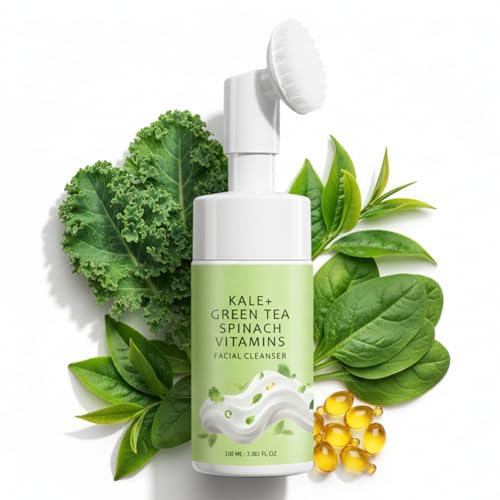
When it comes to cleansers, opt for gentle, hydrating formulas that won’t strip your skin of its natural oils. Avoid foaming cleansers, which can be overly drying, and instead choose a creamy or oil-based cleanser to effectively remove impurities while maintaining hydration.
Even in winter, wearing sunscreen is crucial as UV rays can still affect your skin. A broad-spectrum sunscreen with a hydrating formula will ensure your skin is protected while providing necessary moisture. Lastly, do not neglect your lips; a nourishing lip balm with ingredients like shea butter or beeswax can help prevent chapping and keep your lips soft and supple.


Step 1: Cleansing Your Skin
During the winter months, the skin often experiences increased dryness due to environmental factors such as cold temperatures and low humidity levels. Therefore, selecting the appropriate cleanser is essential for maintaining skin health. A gentle and hydrating cleanser is crucial, as it cleanses without stripping the skin of its natural oils. Unlike harsher cleansers that may contain sulfates or alcohol, a mild cleanser will help preserve the skin’s moisture barrier while ensuring that dirt, makeup, and impurities are effectively removed.
When cleansing during winter, the technique is just as important as the product you choose. Begin with lukewarm water, as hot water can further dehydrate the skin. Use your fingertips to apply the cleanser in gentle circular motions, avoiding any aggressive scrubbing that could irritate the skin. It’s advisable to clean the skin twice a day—once in the morning and once before bedtime—this routine helps maintain a balanced pH level, fostering an environment conducive to skin regeneration.
In addition to choosing the right product and employing a gentle technique, one should also pay attention to following up with a toner or moisturizer after cleansing. A hydrating toner can help restore moisture levels and balance the skin’s pH, while a nourishing moisturizer locks in that hydration. It is important to remember that every individual’s skin type is unique; therefore, those with sensitive or particularly dry skin should consider using cleansers specifically formulated for their needs. Opting for products infused with ingredients like hyaluronic acid or glycerin can further enhance hydration during the cleansing process, promoting a healthy, radiant winter complexion.



Step 2: Exfoliation Techniques
Exfoliation plays a crucial role in maintaining healthy skin, particularly during the winter months when skin tends to become dry and flaky. The primary purpose of exfoliation is to remove dead skin cells that can accumulate on the surface, preventing the skin from maintaining a natural glow and hindering the absorption of moisturizers. By promoting cell turnover, exfoliation not only helps in revealing a fresh layer of skin but also can enhance the effectiveness of other skin care products applied thereafter.
When choosing an exfoliator, it is important to opt for gentle formulations that do not strip the skin of its natural moisture. Physical exfoliators, such as scrubs with fine sugar or oatmeal, can be effective, but they should be used with caution to avoid micro-tears in the skin. Alternatively, chemical exfoliators, which contain ingredients like alpha-hydroxy acids (AHAs) or beta-hydroxy acids (BHAs), can provide a more even exfoliation without the abrasive action of scrubs. These products work by dissolving the bonds that hold dead skin cells together, allowing them to be easily washed away.
The frequency of exfoliation during the winter months should generally be reduced compared to other seasons, as the skin is often more sensitive to environmental stressors. For most skin types, exfoliating once a week can be sufficient; however, those with drier or more sensitive skin may benefit from even less frequent exfoliation. It is advisable to monitor your skin’s reaction after using an exfoliator and adjust usage accordingly. Always follow up with a hydrating moisturizer to replenish any moisture lost during the exfoliation process.
In conclusion, employing the right exfoliation techniques during winter is vital for maintaining healthy skin. By selecting gentle exfoliating products and adhering to a suitable frequency, individuals can effectively promote skin renewal while minimizing the risk of irritation.
Step 3: Hydration and Moisturizing


As winter settles in, the importance of hydration and moisturizing in a skincare routine cannot be overstated. Cold air and indoor heating can strip the skin of its natural moisture, leading to dryness and irritation. To combat these effects, it is essential to adopt a methodical approach to layering hydration products effectively, ensuring that the skin remains nourished and supple throughout the day.
Begin your hydration process by applying a serum, which is generally formulated with high concentrations of active ingredients. These serums aim to penetrate deeply into the skin, delivering hydration at the cellular level. Look for serums that include hyaluronic acid, glycerin, or other humectants, known for their moisture-retaining properties. Applying the serum on slightly damp skin maximizes absorption and helps to lock in moisture. Following this, allow the serum a few moments to settle before moving on to the next step.
The next layer in your winter skincare routine should consist of a heavier cream or an oil-based moisturizer. These occlusives are designed to create a physical barrier on the skin’s surface, which helps trap moisture and prevent transepidermal water loss. While selecting a moisturizer, opt for formulations rich in ingredients such as ceramides, shea butter, or natural oils, which offer not only hydration but also nourishment.
Additionally, consider incorporating a hydrating mist into your skincare regime. A mist can be reapplied throughout the day to provide an instant refresh and an additional layer of moisture. This practice is especially beneficial in dry indoor environments, where heated air can exacerbate dryness.
In conclusion, a systematic approach to hydration and moisturizing, combined with the right products, can significantly improve winter skin conditions. By layering serums with richer creams, and utilizing hydrating mists, it is possible to achieve a well-hydrated and healthy complexion despite the harsh winter elements.
Step 4: Targeting Specific Concerns
During the harsh winter months, many people experience specific skin concerns that can complicate their skincare routine. Common issues include redness, cracked skin, and eczema flare-ups. Addressing these concerns requires a targeted approach to ensure that the skin remains healthy and moisturized despite the colder conditions.
For redness, which may be aggravated by cold air and indoor heating, incorporating products that possess anti-inflammatory properties is essential. Look for serums or creams that contain ingredients such as chamomile, green tea extract, or niacinamide. These components help soothe irritation and reduce redness, making it a suitable choice for sensitive skin types.
Cracked skin, particularly around the hands and feet, often results from dry air and frequent handwashing during winter. Applying thick emollient creams or ointments can provide significant relief. Products containing lanolin or shea butter are particularly beneficial, as they create a protective barrier that helps to lock in moisture. It is also vital to consistently apply these treatments after washing to maintain hydration levels.
Eczema flare-ups can be particularly challenging in winter. Patients suffering from eczema should prioritize gentle, fragrance-free products to prevent further irritation. Ingredients such as ceramides and hyaluronic acid are excellent for restoring the skin’s natural barrier. As winter progresses, a dedicated treatment plan is necessary; consider consulting a dermatologist for prescription treatments if over-the-counter options prove insufficient.
Before introducing new products focused on targeting specific concerns, patch testing is highly recommended. This approach minimizes the risk of adverse reactions and allows individuals to determine their skin’s tolerance to new treatments. Simply apply a small amount of the product to a discreet area and monitor for any negative responses over 24 hours. By following these targeted strategies, individuals can better maintain skin health during the winter months.
Step 5: Protecting Your Skin Outdoors
Winter is often associated with cold temperatures, snow, and overcast skies, leading many to underestimate the importance of sun protection during this season. However, harmful UV rays are still present and can significantly affect the skin, even on the cloudiest days. In fact, up to 80% of UV rays can penetrate clouds, and those who spend time outdoors during winter months must prioritize effective skin protection.
When engaging in outdoor activities such as skiing, snowboarding, or simply taking a winter walk, it is imperative to apply sunscreen to exposed skin. The skin on the face, neck, and hands is particularly susceptible to sun damage. For winter conditions, look for a broad-spectrum sunscreen with an SPF of at least 30. This ensures protection against both UVA and UVB rays, with UVA rays being responsible for premature aging and UVB rays causing sunburns.
Additionally, it is advisable to choose a sunscreen that is water-resistant to accommodate activities involving snow or ice, which may result in the sunscreen being washed away. Cream-based or lotion formulations are typically recommended for colder climates, as they provide an extra layer of moisture and protection against windburn.
Another effective strategy for winter sun protection is to apply sunscreen generously and evenly across all exposed areas of the skin at least 15 minutes before heading outdoors. Reapplication is crucial, especially after sweating or towel-drying. This practice not only optimizes defense against UV rays but also maintains hydration levels in the skin, which can be compromised in cold, dry weather.
In conclusion, safeguarding your skin in winter is just as essential as it is during the summer months. Adhering to these protective measures will help maintain healthy skin and prevent lasting damage from winter sun exposure.
Step 6: Nighttime Skin Care Rituals
During the winter months, the skin often endures additional stress caused by low temperatures and harsh winds, making a dedicated nighttime skincare routine essential. The hours spent sleeping provide an opportune moment for the skin to recover and rejuvenate itself, allowing for the absorption of hydrating ingredients that can dramatically enhance skin texture and overall appearance. Implementing a nighttime ritual can significantly support the skin’s natural repair processes.
One effective method to optimize skin nourishment overnight is through the use of overnight masks. These products are typically formulated with potent active ingredients, such as hyaluronic acid, peptides, and antioxidants, that deeply penetrate the skin. An overnight mask can offer a more intensive treatment compared to regular moisturizers, delivering hydration and vital nutrients while the body is at rest. This process can help to combat dryness, flakiness, and dullness, which are common in winter months.
In addition to overnight masks, incorporating richer moisturizers into your nighttime routine is paramount. These creams boast thicker textures, providing a protective barrier that locks in moisture and prevents trans-epidermal water loss. When choosing a richer moisturizer, look for key ingredients like ceramides, glycerin, and natural oils, which work synergistically to strengthen the skin barrier and enhance elasticity.
Incorporating these products into your nightly ritual can also be an exercise in relaxation. Creating an environment conducive to tranquility—whether through ambient lighting, soothing music, or herbal teas—can help signal to your mind that it’s time to unwind. Upon applying an overnight mask and moisturizer, take a moment to perform gentle facial massages, promoting blood circulation and allowing deeper absorption of the skincare products.
Ultimately, a dedicated nighttime skincare routine during winter months can lead to visibly healthier and revitalized skin, making it an essential step in effective winter skincare management.
Bonus Tips for Winter Skin Care
Maintaining skin health during the winter months requires some adjustments to both your skin care regimen and your daily habits. One of the most crucial tips is to stay hydrated. During colder weather, people often forget to drink enough water, believing that dehydration is only a concern in the summer. However, proper hydration is vital for keeping your skin plump and reducing dryness. Aim for at least eight glasses of water a day, or consider herbal teas for a warm alternative that also supports hydration.
Clothing also plays a significant role in winter skin care. Opt for soft, breathable fabrics and layers to protect your skin from harsh conditions. When going outside, consider wearing gloves and scarves to shield exposed skin from the frigid air. Additionally, it is wise to avoid long hot showers; while they may feel soothing, excessive heat can strip your skin of its natural oils. Instead, limit shower time to 10-15 minutes and use warm water to prevent irritation.
For those interested in natural alternatives, homemade remedies can be a great way to nurture your skin. For instance, a simple DIY mask made with honey and oatmeal can provide soothing properties and hydration. To create this mask, mix two tablespoons of honey with one tablespoon of finely ground oatmeal and apply it directly to your face for 15 minutes before rinsing off with lukewarm water. This not only nourishes the skin but also offers a gentle exfoliation that is perfect for combating winter dryness.
Finally, consider integrating a humidifier into your home environment. This helps to add moisture back into the air, preventing your skin from becoming overly dry and irritated. Simple adjustments and these homemade remedies can make a significant difference in maintaining your skin’s health throughout the winter season.